


ORTHODONTICS IN THESSALONIKI
Dr. Konstantinos Tsoumis Orthodontic Practice
COMPLETE PATIENT GUIDE
Looking for orthodontic treatment in Thessaloniki? Dr. Konstantinos Tsoumis and Dr. Maria Tsoumi offer specialised orthodontic care for children, teens and adults — from first evaluation and braces to clear aligners, teeth whitening and professional cleaning. The practice is built on scientific precision, personalised treatment planning, and results that last.

7 yrs
Recommended first orthodontic check-up

~22 mo
Average treatment duration with braces

3–4 weeks
Interval between adjustment visits

1 in 5
Orthodontic patients are adults over 21
The orthodontic treatment process in Thessaloniki — from first visit to finish
1. Initial consultation
No commitment. Existing X-rays welcome. Full exam of teeth & jaws.
2. Diagnostics
Panoramic + cephalometric X-ray, clinical photos. Personalised plan with cost & timeline.
3. Placement
Braces or aligners fitted in ~30 min, painless. Mild pressure for 2–3 days is normal.
4. Adjustments
10–20 min visits every 3–4 weeks. Progress reviewed and plan adapted.
5. Removal
Painless, ~25–30 min. Followed by professional cleaning and polishing.
6. Retention
Upper: clear night retainer. Lower: fixed wire on inner surface. As important as treatment itself.
What determines treatment length?
Complexity of the case · Patient age (children & teens respond faster as bones are still growing) · Patient compliance with instructions · Consistency of appointments — skipping visits extends treatment.
When are braces actually removed?
Not simply when teeth “look straight.” The orthodontist evaluates: correct bite (upper/lower occlusion), front tooth alignment, stability of all teeth, and closure of any gaps. Fine-tuning in the final phase determines long-term outcome.

Orthodontic treatment options in Thessaloniki
Braces
- Metal — most effective for complex cases, most affordable
- Ceramic — tooth-coloured, far less visible
- Lingual — inner surface, completely invisible
- Self-ligating — fewer visits, often shorter treatment
Clear aligners (Invisalign-type)
- Near-invisible custom trays changed every 1–2 weeks
- Removable for eating & brushing — no food restrictions
- Average 12–14 months; office visits every 2 weeks.
- Can be combined with braces for complex cases
Preventive & aesthetic
- Cleaning every 6 months — plaque, tartar, stains; fluoride applied
- Sealants — protective coating on molars
- LED whitening — 1–2 h in-office, immediate results
- At-home whitening — custom trays, gentler option
Orthodontics for children in Thessaloniki
Τiming & stages
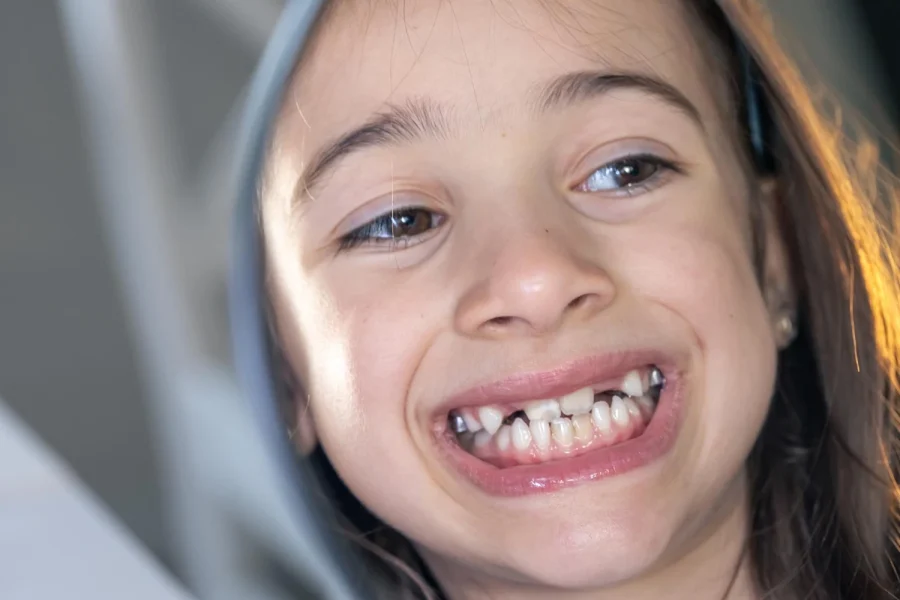
- First evaluation by age 7–8: Early visit doesn’t mean immediate treatment — most cases require only monitoring every 6–12 months
- Phase 1 (7–10): Appliances guide jaw growth and correct skeletal anomalies
- Phase 2 (11–13): Braces or aligners once permanent teeth have erupted
- Retention: Retainer after treatment — essential for lasting results
Benefits of early intervention
- Guides jaw growth while bones are still developing — unavailable to adults
- Prevents extractions and reduces complexity of later treatment
- Corrects harmful habits (mouth breathing, thumb-sucking) early
- Untreated skeletal issues may require surgery in adulthood
Note:
The earlier the evaluation, the more treatment options available.
Orthodontics for adults in Thessaloniki
Key differences
- Bone growth is complete — severe skeletal issues may require surgery
- Existing restorations and gum health are factored into the plan
- Incomplete childhood treatment can be resumed at any age
Health & lifestyle benefits
- Straight teeth are easier to clean — less plaque, lower risk of decay and gum disease
- Correct bite reduces jaw strain, headaches and bruxism
- Improves outcomes for implants and bridges; linked to lower cardiovascular and diabetes risk

Living with braces — care, discomfort & hygiene
Discomfort
- Soreness 3–5 days after placement and 1–3 days after each adjustment — pressure, not pain
- Paracetamol 1 h before adjustment; orthodontic wax for irritating wires
- Cold water or ice cream soothes; saltwater rinses calm gums
Diet
- Eat freely: soft bread, pasta, yoghurt, fish, cooked vegetables
- Avoid: hard foods (crackers, nuts), sticky foods (gum, toffee), whole-bite foods — cut apples and corn into pieces
Hygiene
- Brush at least 3× per day; use interdental brushes or floss daily
- For aligners: clean teeth before reinserting; store in case when not worn
- Continue dental check-ups every 6 months throughout treatment
OUR TEAM
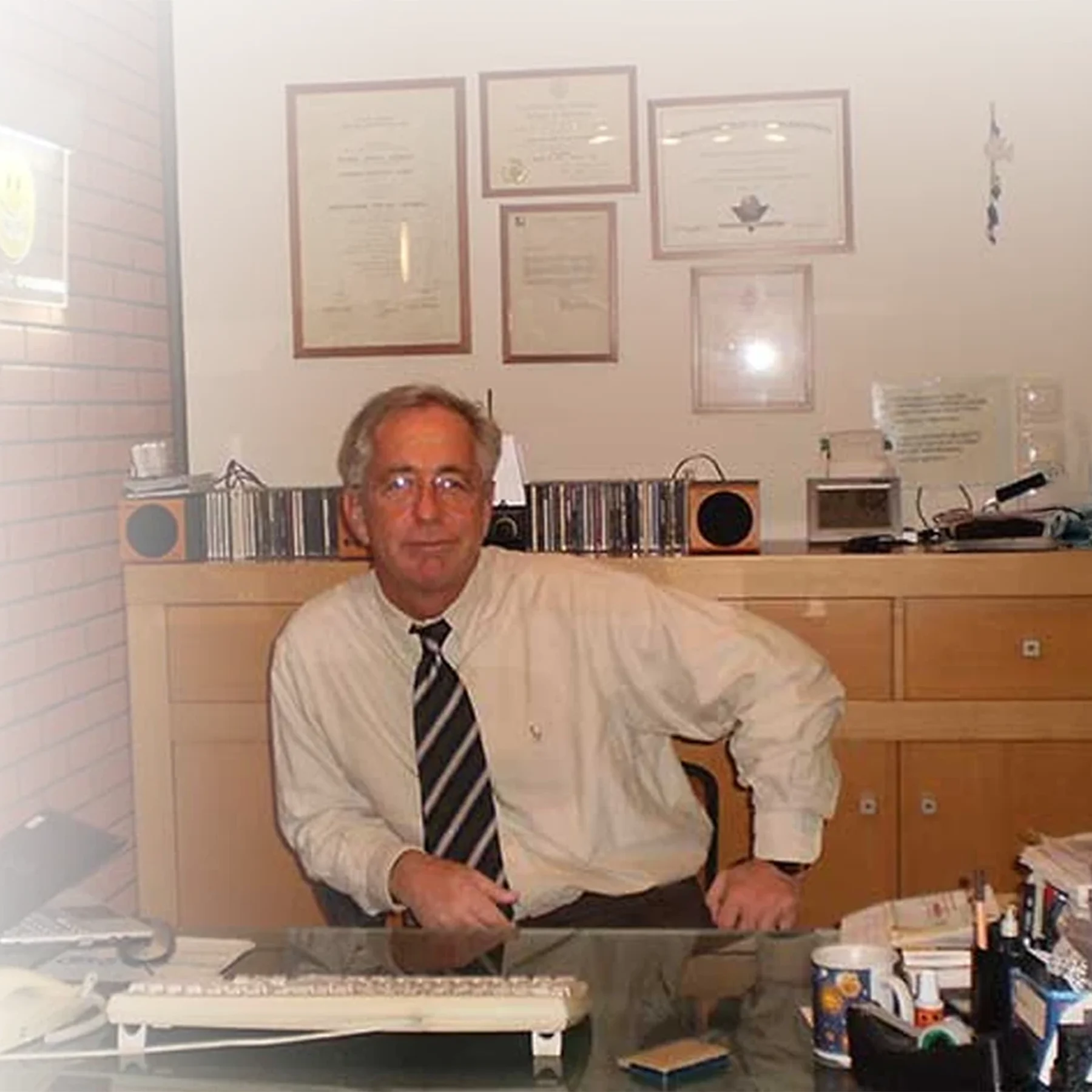
Dr. Konstantinos Tsoumis — Orthodontist, founder
DDS AUTH · MSc Periodontology, Univ. of Wales · Specialty in Orthodontics, Loyola Univ. USA · Member, World Federation of Orthodontics & Hellenic Orthodontic Society
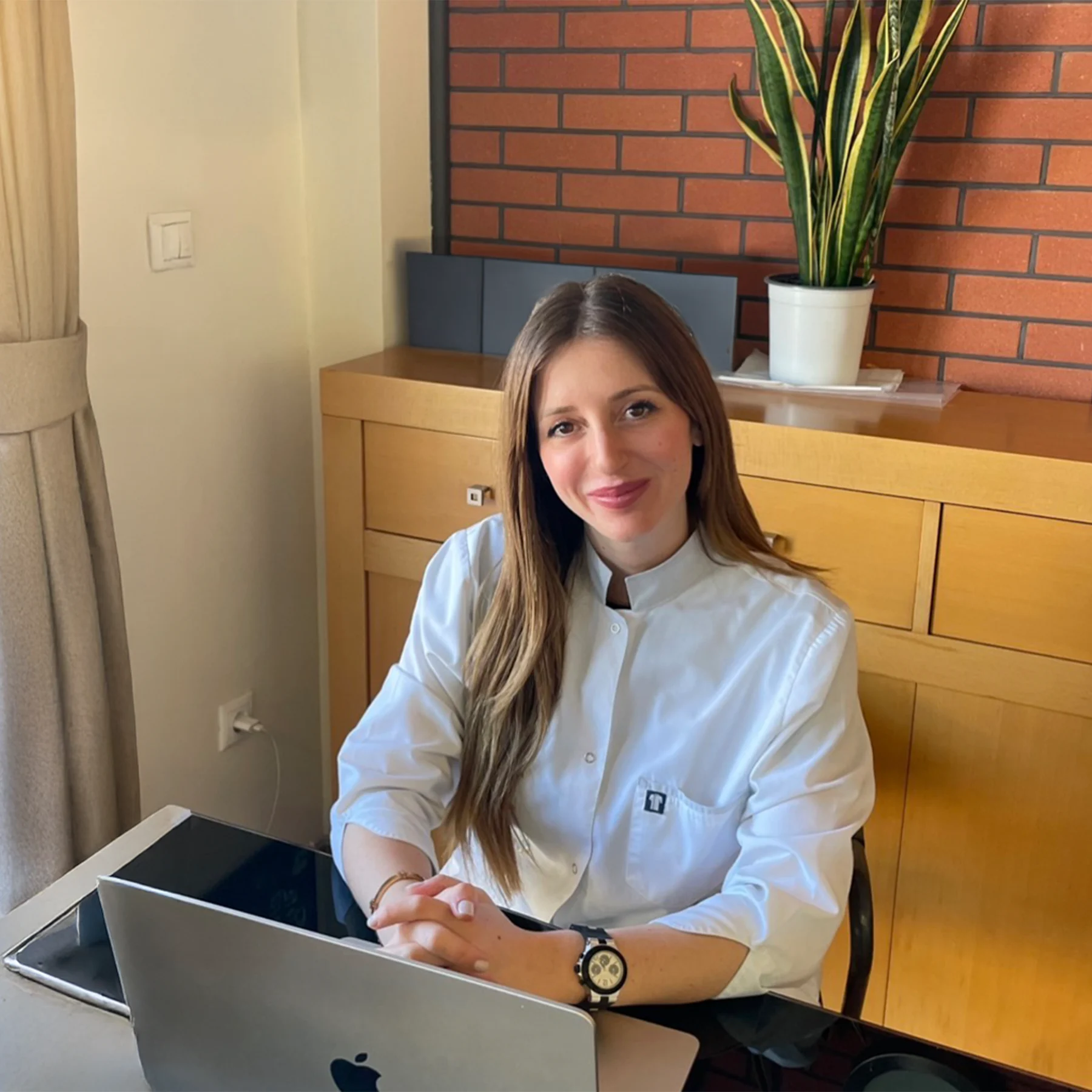
Dr. Maria Tsoumi — Dental surgeon & orthodontist
DDS AUTH · MSc Orthodontics (in progress) · Specialties: Orthodontics, Restorative & Aesthetic Dentistry · Treats patients of all ages
FREQUENTLY ASKED QUESTIONS
General Questions about Orthodontics
What is orthodontics?
What is the difference between an orthodontist and a dentist?
What is the right age to visit an orthodontist?
Can I have orthodontic treatment if I have fillings or crowns?
Do I need to have teeth extracted before starting treatment?
Questions about Braces
What are braces?
- Traditional metal braces
- Ceramic (aesthetic) braces
- Lingual braces (on the inner side of the teeth)
- Self-ligating braces
- Clear aligners
How long will I need to wear braces?
Do braces hurt?
How often will I visit the orthodontist during treatment?
What are the alternatives if I don't want braces?
Can I add colors to my braces?
Will braces affect my activities?
Will my teeth shift back after treatment?
Care During Orthodontic Treatment
How should I care for my teeth with braces or a retainer?
- Brush after every meal and use interdental brushes or dental floss at least once a day
- Use fluoride toothpaste — ask us if you also need a mouthwash
- If you remove a retainer to eat, clean your teeth before putting it back in and store it in its case
- Avoid sticky, hard, and sugary foods
- Don’t skip your regular dental check-up every 6 months
Should I brush more often with braces?
Do I need to continue regular dental check-ups during treatment?
Questions about Cleanings and Examinations
Why are regular dental examinations and cleanings important?
How often should I have an examination and cleaning?
What does a dental examination and cleaning include?
Is an examination and cleaning painful?
Are dental X-rays safe?
Can cleanings remove stains from teeth?
How can cleanings improve my overall health?

Book your first evaluation — no commitment, no pressure. Early diagnosis is the best investment in your smile.